
The rise and fall of gambling A historical perspective
The rise and fall of gambling A historical perspective
The Origins of Gambling
The practice of gambling dates back thousands of years, with historical evidence suggesting its existence in ancient civilizations like Mesopotamia, China, and Rome. Initially, it served as a form of entertainment, often intertwined with religious ceremonies and social gatherings. Early games of chance, such as dice and betting on events, provided communities with excitement and an opportunity to wager resources. For those interested in modern spins on classic games, Senseizino casino free spins offer a thrilling entry point into this age-old pastime.
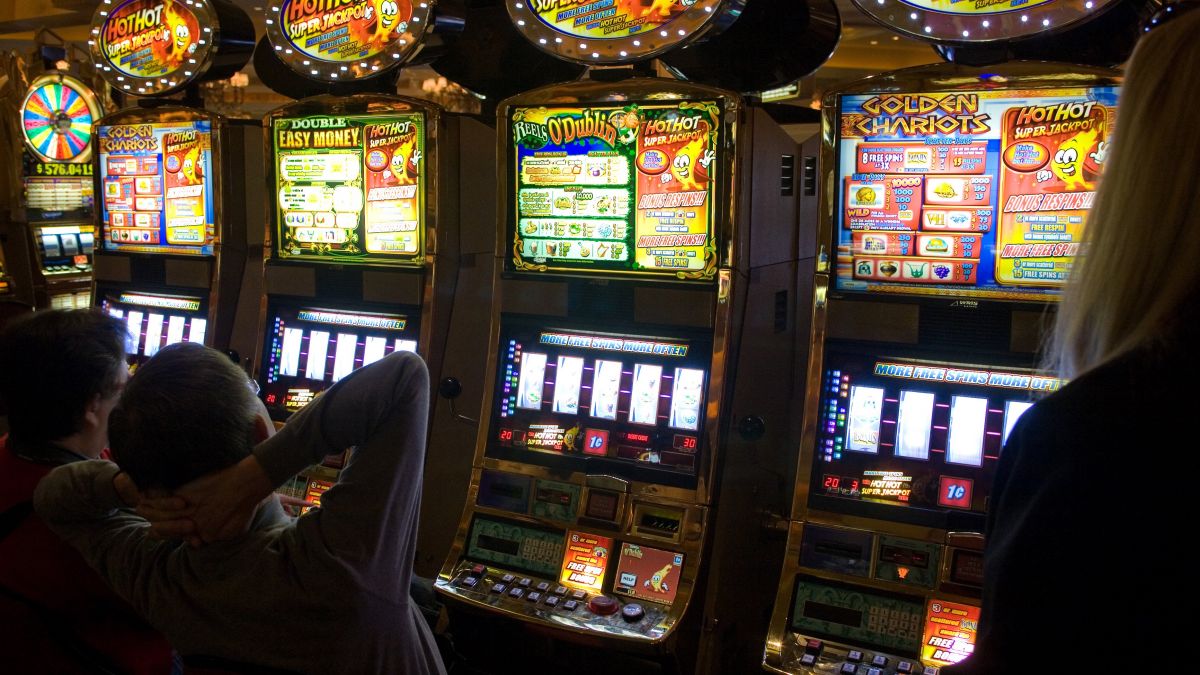
As societies evolved, so did the concept of gambling. In ancient Rome, for example, bets were placed on gladiatorial games and chariot races, reflecting a culture that embraced risk and reward. This early foundation laid the groundwork for more structured gambling activities, leading to the establishment of formal rules and systems in various cultures around the world.
The Flourishing of Gambling in the Middle Ages
The Middle Ages saw a significant shift in gambling practices, particularly in Europe. The introduction of card games during this period revolutionized the gambling landscape, allowing for new forms of play that appealed to a broader audience. Taverns and inns became popular venues for gambling, fostering a communal atmosphere where people gathered to enjoy games of chance.
Moreover, the rise of lotteries in the 15th century marked a pivotal development. Governments began to regulate and organize these games as a means of raising funds for public projects, blending social responsibility with gambling’s allure. This period highlighted how gambling could serve both individual interests and community needs, contributing to its growing acceptance across society.
The Impact of the 19th Century and Regulation
The 19th century brought about significant transformations in the gambling landscape, particularly with the advent of industrialization. As urban populations swelled, so did opportunities for gambling, leading to the establishment of casinos and betting houses. However, with increased participation came concerns about the social implications of gambling, prompting various governments to introduce regulations aimed at curbing excesses.
This era also saw the rise of horse racing as a popular betting avenue, which further entrenched gambling in the public consciousness. While many viewed gambling as a harmless pastime, others warned of its dangers, leading to debates that would shape future policies. The push for regulation set the stage for the complex relationship between gambling, morality, and legality in the years to come.
The Modern Era of Gambling and Its Challenges
The late 20th and early 21st centuries ushered in a new era for gambling, characterized by rapid technological advancements and globalization. The emergence of online gambling platforms changed the game entirely, making betting accessible from the comfort of one’s home. This digital revolution attracted a new generation of gamblers, who could engage with various games and betting options in unprecedented ways.
However, this growth was not without challenges. The ease of access to online gambling raised concerns about addiction and financial instability among players. Governments and organizations began to implement measures to promote responsible gambling and protect vulnerable populations. The ongoing dialogue surrounding regulation reflects the need to balance innovation with societal well-being.

Conclusion: The Current State of Gambling
Today, the gambling industry continues to evolve, influenced by cultural shifts, technological advancements, and regulatory frameworks. Online casinos, such as Senseizino, exemplify the modern approach to gambling, offering safe and exciting experiences for players. With a diverse range of games and attractive promotions, they cater to both seasoned gamblers and newcomers.
As the history of gambling reveals, its rise and fall are intricately tied to societal attitudes and economic conditions. Understanding this historical perspective can help shape the future of gambling, ensuring that it remains a source of entertainment while addressing the potential risks involved. The ongoing evolution of platforms like Senseizino highlights the importance of fostering a responsible and engaging gambling environment for all players.